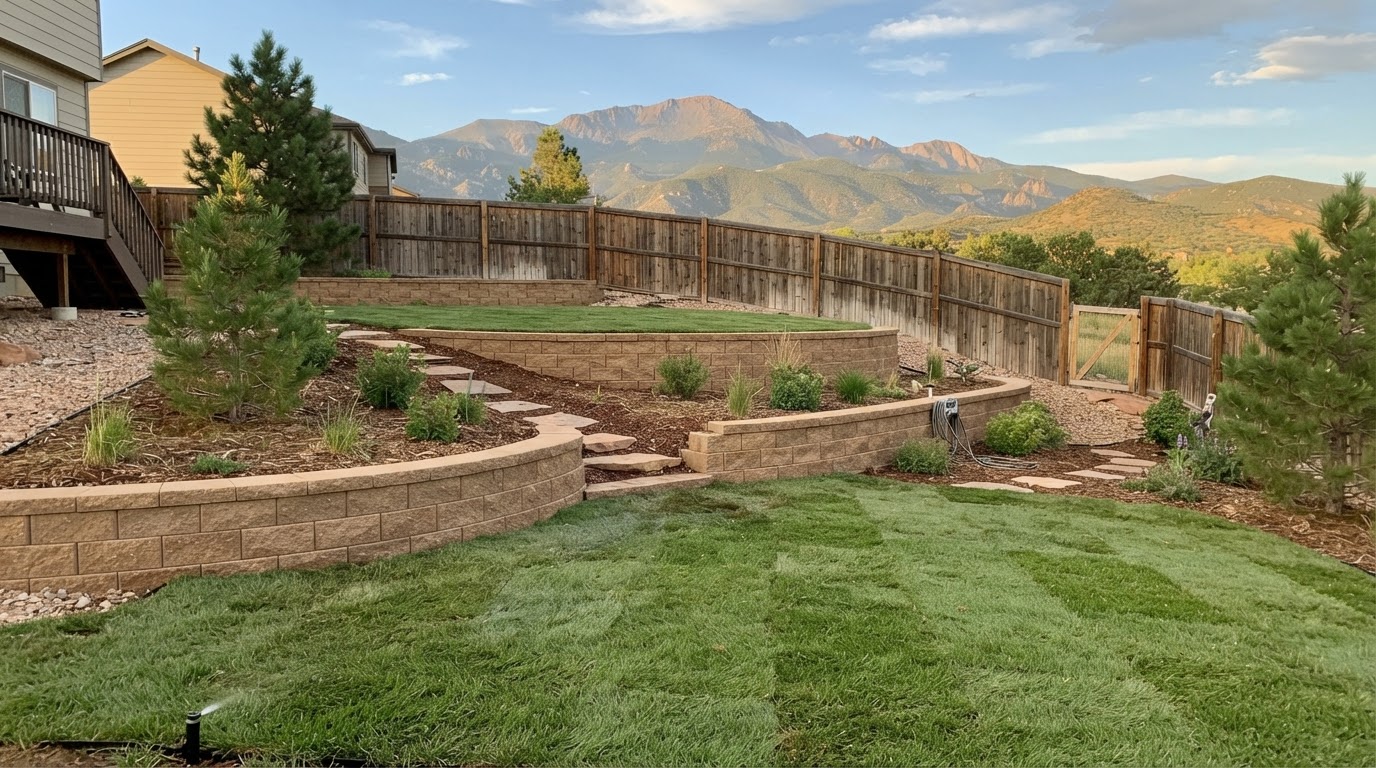
Retaining Wall Installation
New retaining walls built to manage slopes, create level yard space, and frame residential landscapes.
Learn More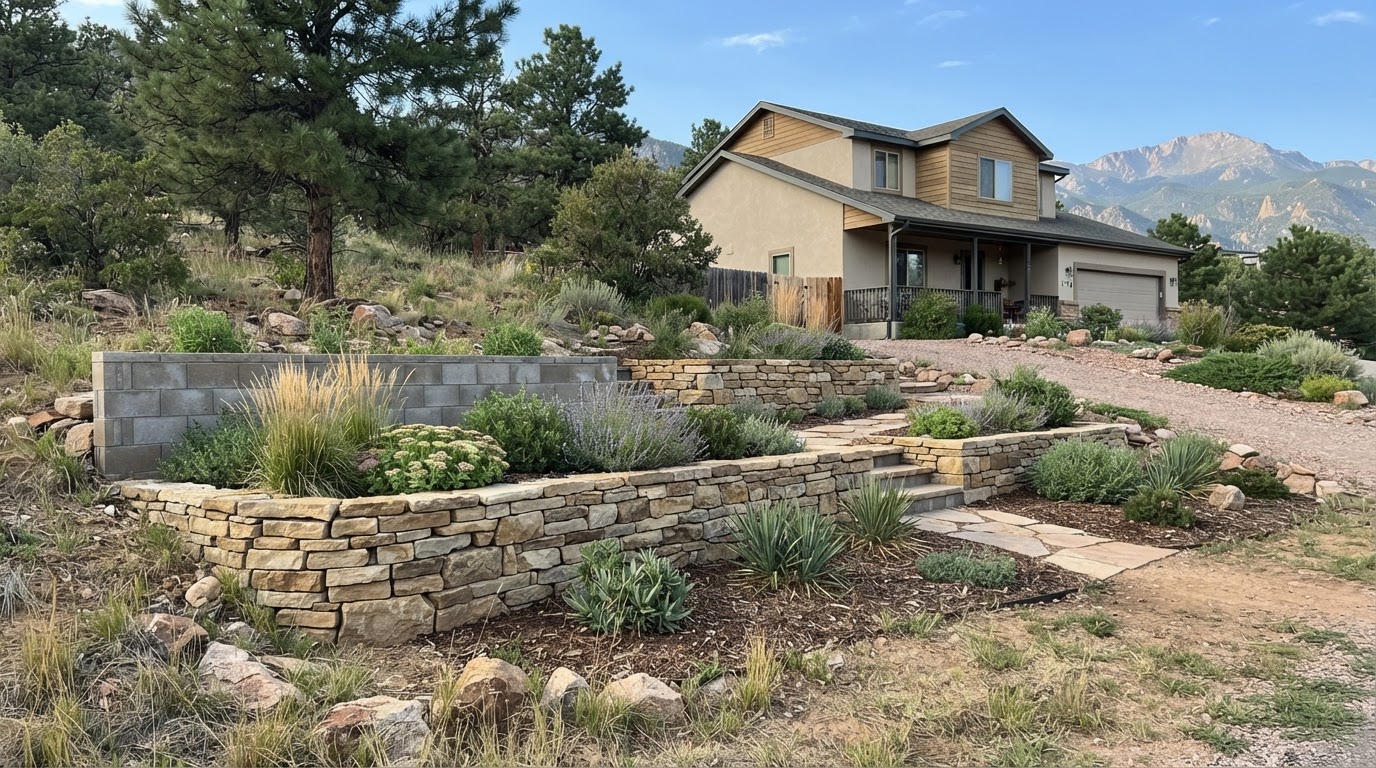
Professional Retaining Wall Solutions in Colorado Springs, Colorado.
Improve the structure, functionality, and appearance of your outdoor property with professional retaining wall solutions. Explore retaining wall installation, repairs, replacement, natural stone walls, and drainage improvements for residential landscapes in Colorado Springs.
Retaining walls help manage elevation changes, organize outdoor spaces, support landscaping, and improve the usability of residential properties. On sloped Colorado lots, a well-built wall turns difficult grade into level, usable ground—and frames the landscape around it.
The right wall for your property depends on the slope, the soil, how water moves across the land, and the look you want. From a low garden edge to a tall engineered hillside wall, the goal is the same: a structure that holds its shape and a landscape that works.
From new installation to repair, replacement, and drainage, each service is tailored to the slope, soil, and landscape of your property.
New retaining walls built to manage slopes, create level yard space, and frame residential landscapes.
Learn More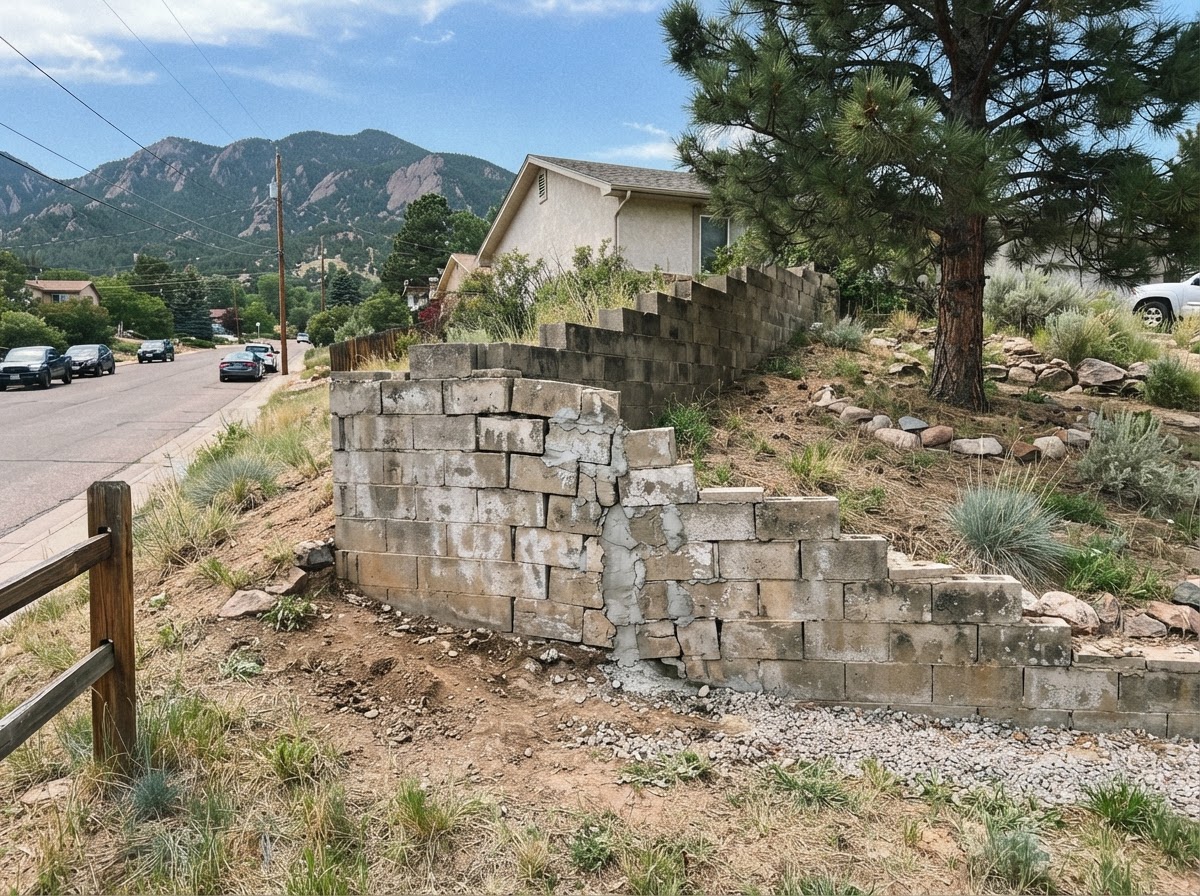
Targeted repairs for cracking, leaning, and drainage issues before they become a bigger problem.
Learn More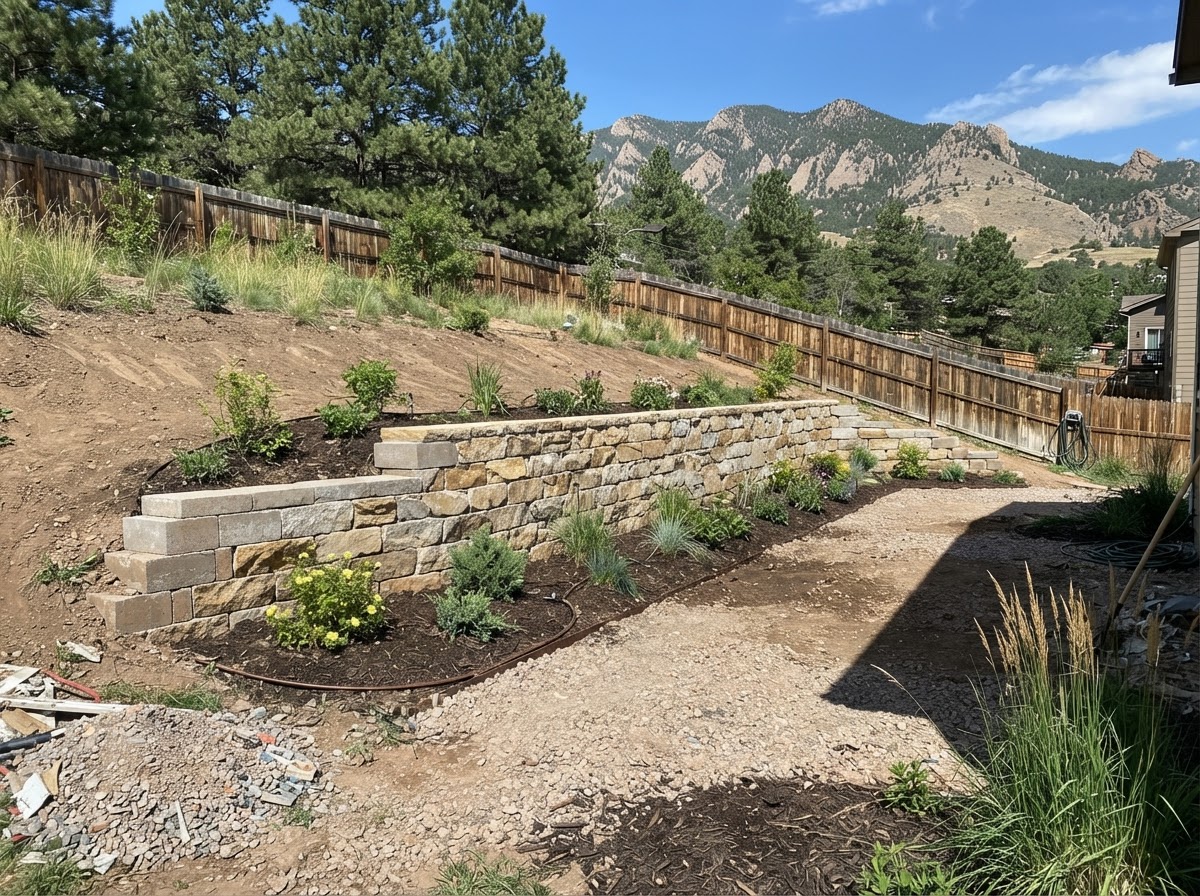
Full removal and rebuilding of retaining walls that have failed, outlived their materials, or no longer fit the landscape.
Learn More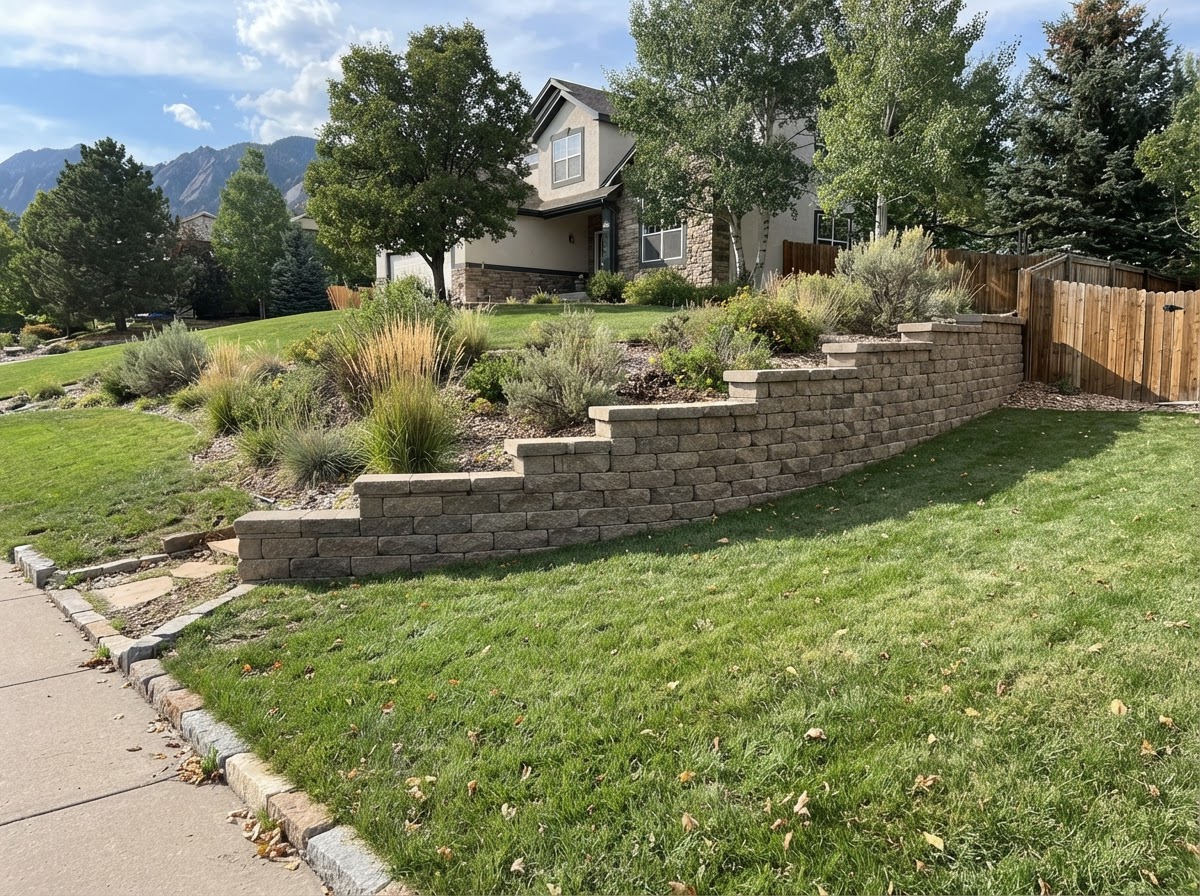
Modular, engineered concrete block walls with clean lines and consistent structure for residential slopes.
Learn More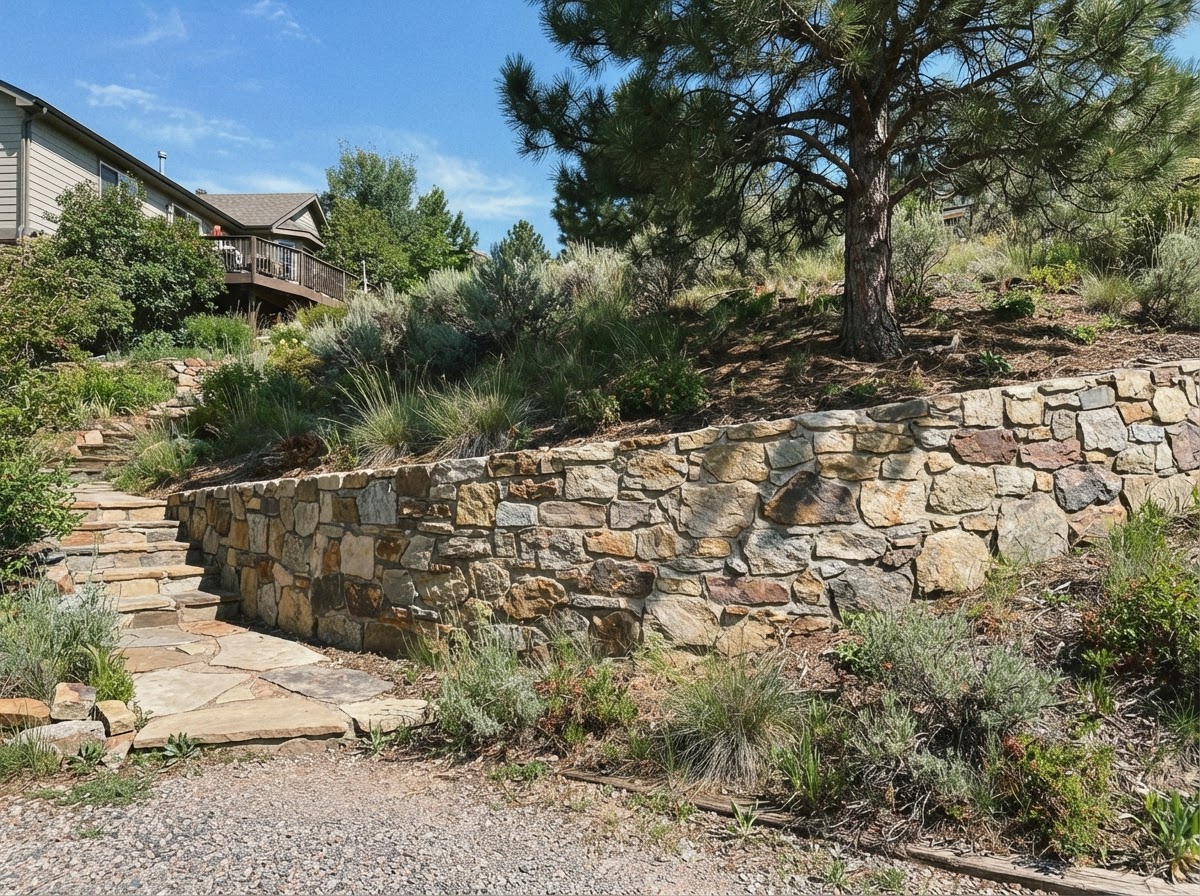
One-of-a-kind stone walls with organic texture and natural variation that blends into Colorado landscapes.
Learn More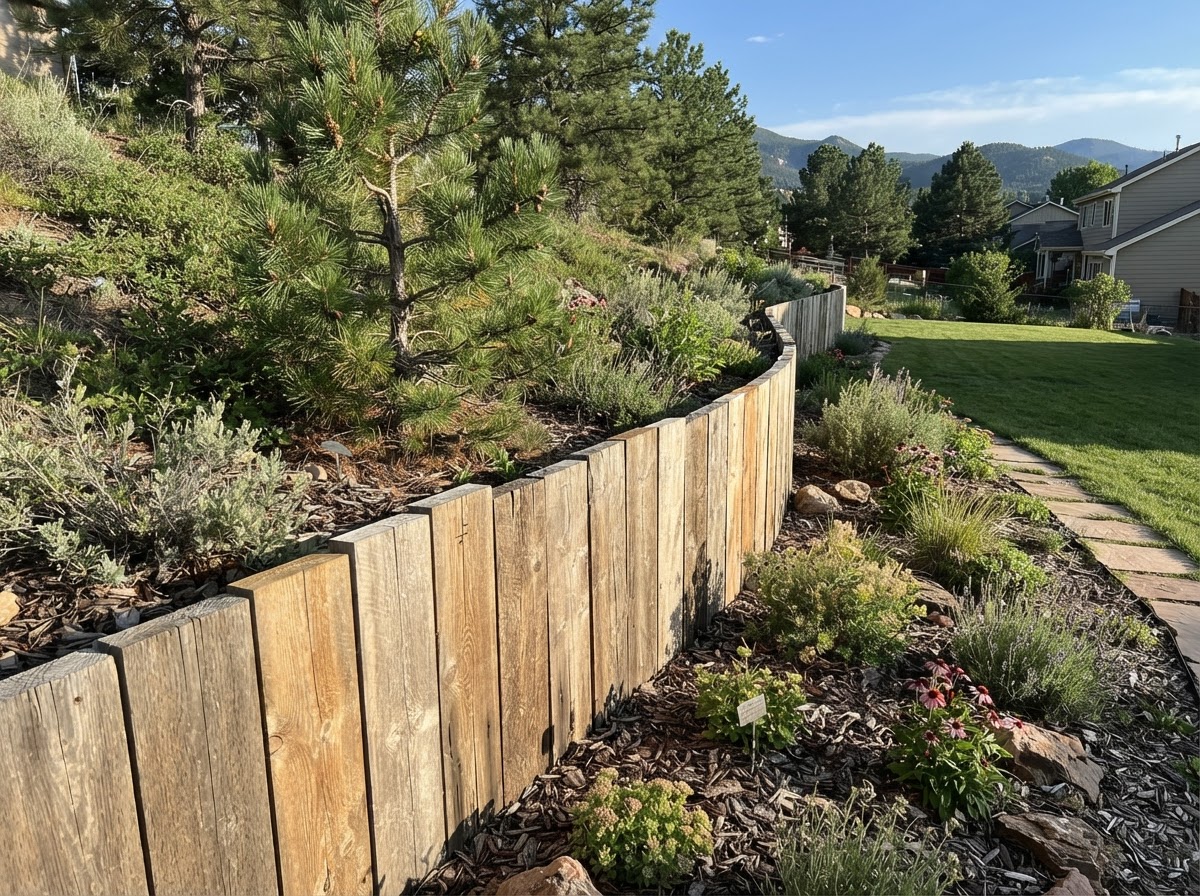
Warm, natural wood retaining walls for lower heights, garden edges, and residential landscape borders.
Learn More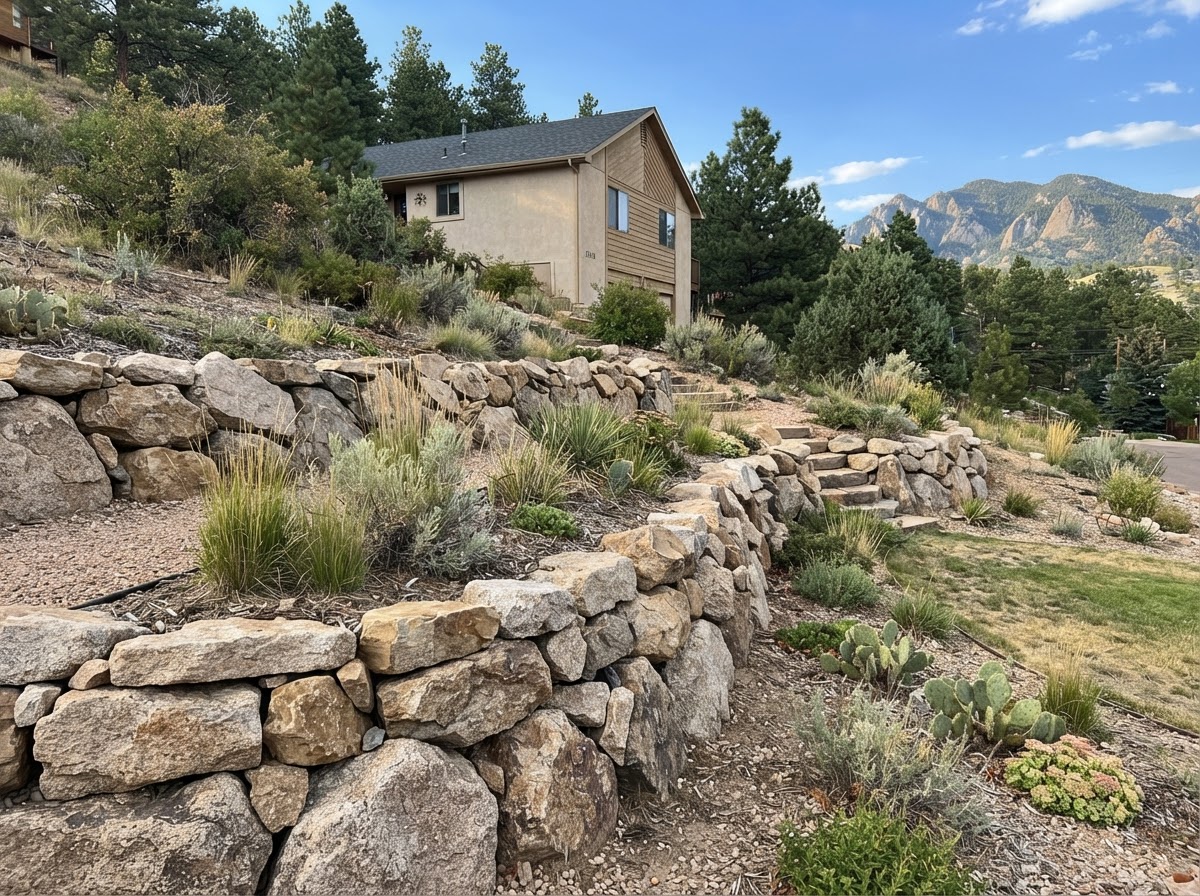
Large natural boulders arranged to hold back slopes with a rugged, organic mountain landscape feel.
Learn More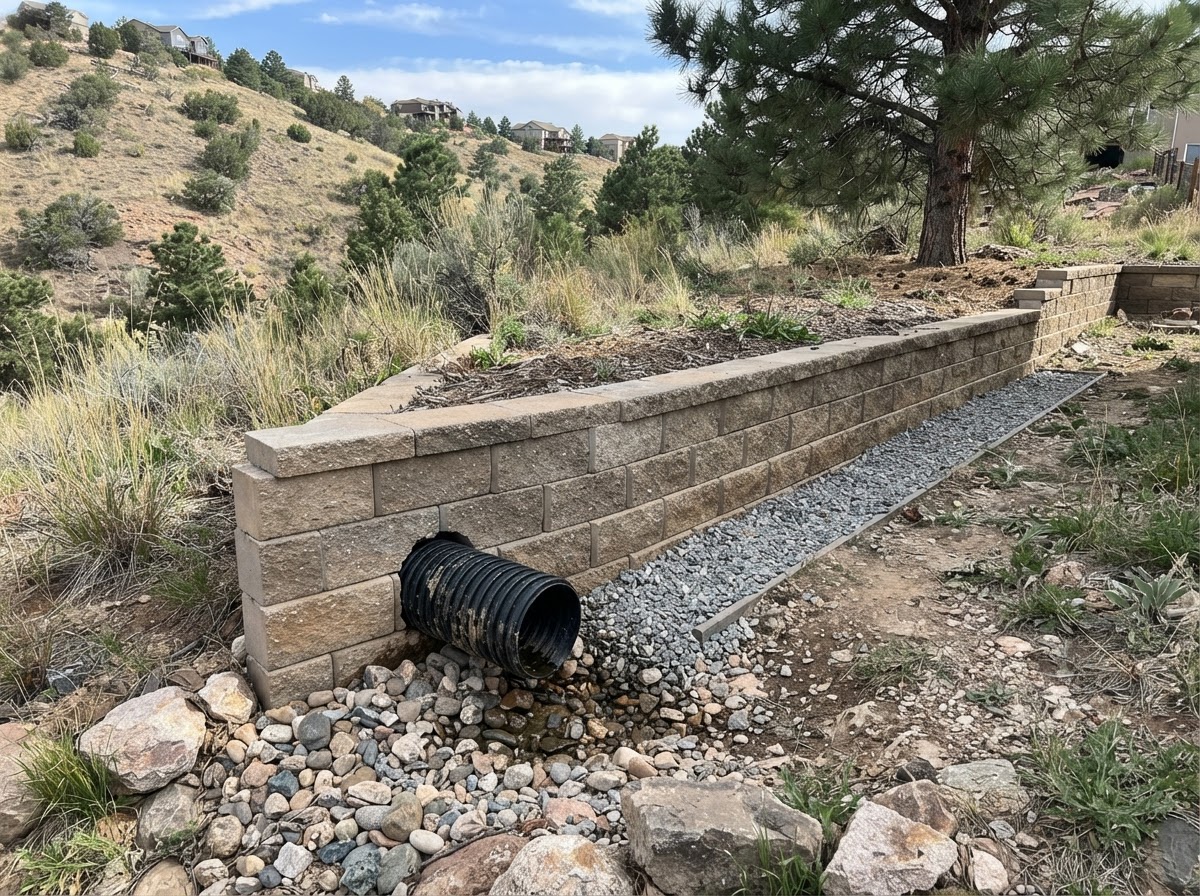
Drainage systems behind retaining walls that relieve water pressure and protect long-term stability.
Learn More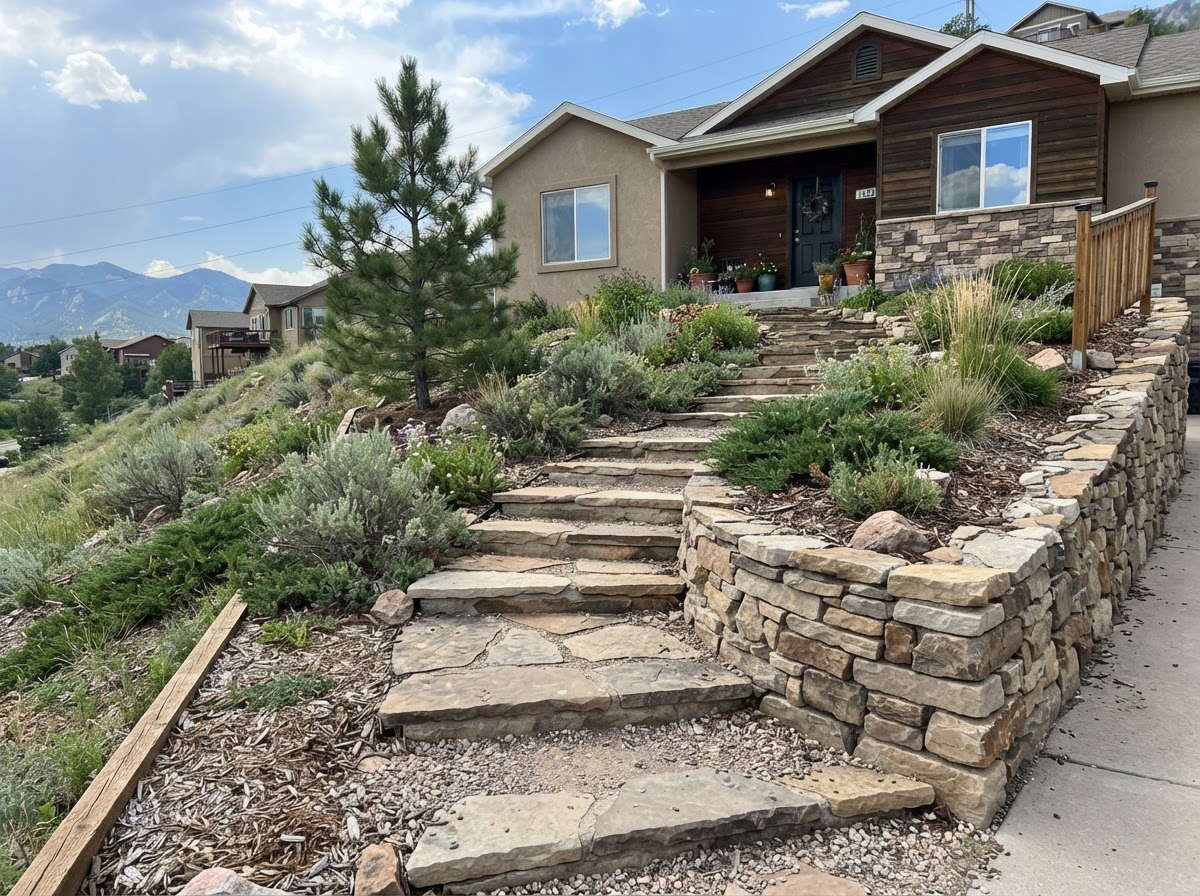
A retaining wall is only as dependable as the planning and preparation behind it. Proper planning starts with understanding the slope, the soil, and how water moves across the property, so the wall is built to the conditions it will actually face.
Material selection matters too—concrete block, natural stone, timber, and boulder each suit different heights, soils, and aesthetics. Careful site preparation and foundation work give the wall a stable base, and drainage considerations keep water from building the pressure that causes leaning and cracking.
The result is outdoor construction with structure and purpose: walls that hold their shape, landscapes that work, and a finished property that looks intentional and well built.
Retaining walls shape how a sloped property works and feels. They manage grade, hold soil, direct water, and frame the outdoor space—all at once.
Hold back soil to manage sloped ground and create level, usable areas.
Support hillsides and grade changes that would otherwise shed soil.
Turn an awkward slope into terraced lawn, garden, and patio space.
Contain soil and reduce erosion on residential grades.
Define planting beds, edges, and outdoor zones with clean lines.
Pair walls with drainage to direct runoff away from the home.
Frame a property with materials that complement the home and land.
Each material has its own look, strengths, and best uses. The right choice depends on the wall's height, the soil and slope, and the aesthetic you want.
Modular, interlocking units with clean, consistent lines. Versatile and straightforward to engineer for taller walls, available in finishes from smooth modern to textured stone-like looks.
Typical applications: Taller engineered walls, sloped yards, terraced systems
Irregular, one-of-a-kind stones fitted and mortared together for an organic, hand-built look that blends into foothill and hillside landscapes.
Typical applications: Garden walls, hillside landscapes, accent features
Pressure-treated wood planks with a warm, natural tone, best suited to lower walls, garden edges, and residential landscape borders.
Typical applications: Low walls, garden edges, landscape borders
Large natural boulders set to hold back a slope, reading as part of the landscape with a rugged, natural mountain presence.
Typical applications: Foothill properties, steep slopes, natural landscapes
Every retaining wall project follows the same deliberate steps, from understanding the property to reviewing the finished structure.
Understand the property's slope, layout, and retaining wall requirements.
Discuss material options, design considerations, and drainage requirements.
Site preparation, foundation considerations, and wall construction.
Review the completed structure, surrounding landscape, and overall finish.
Construction timelines, engineering approvals, and permitting vary by project. We recommend confirming applicable requirements with the relevant local authorities.
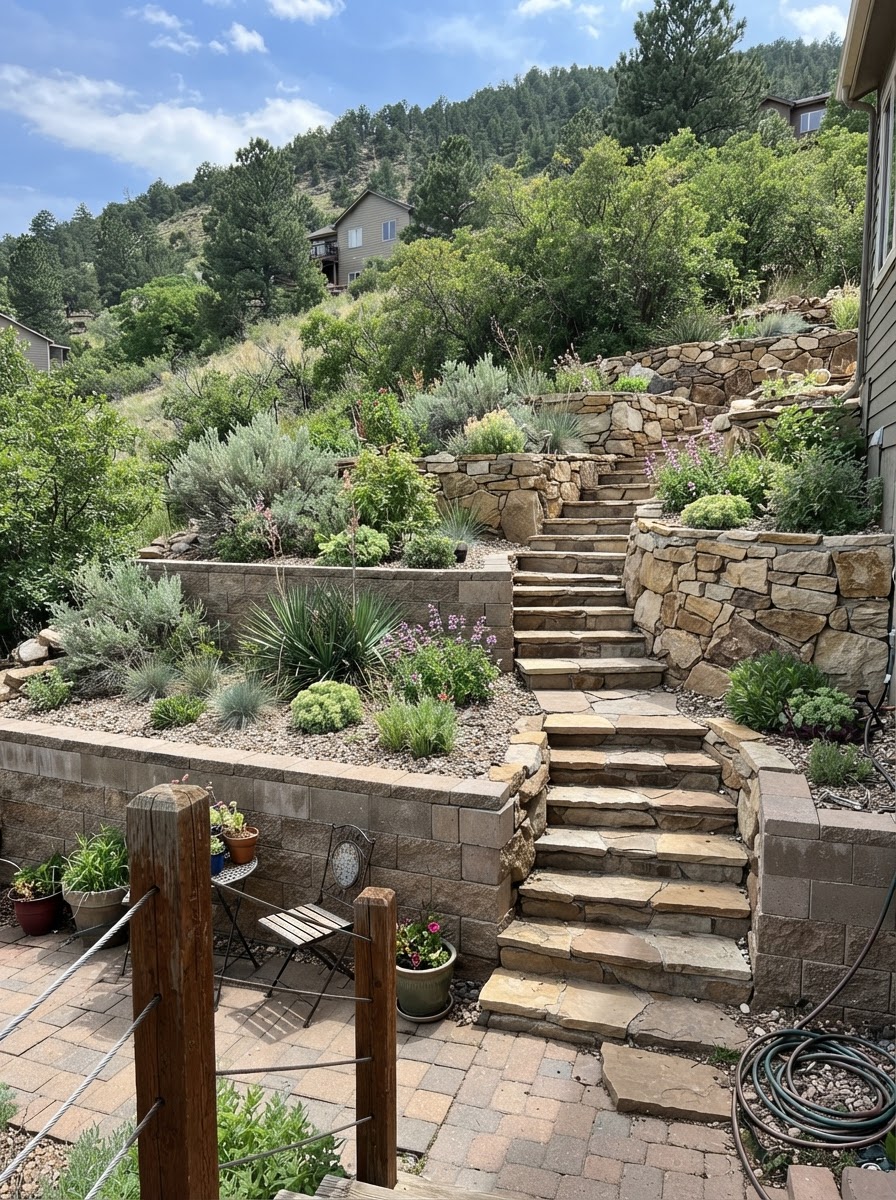
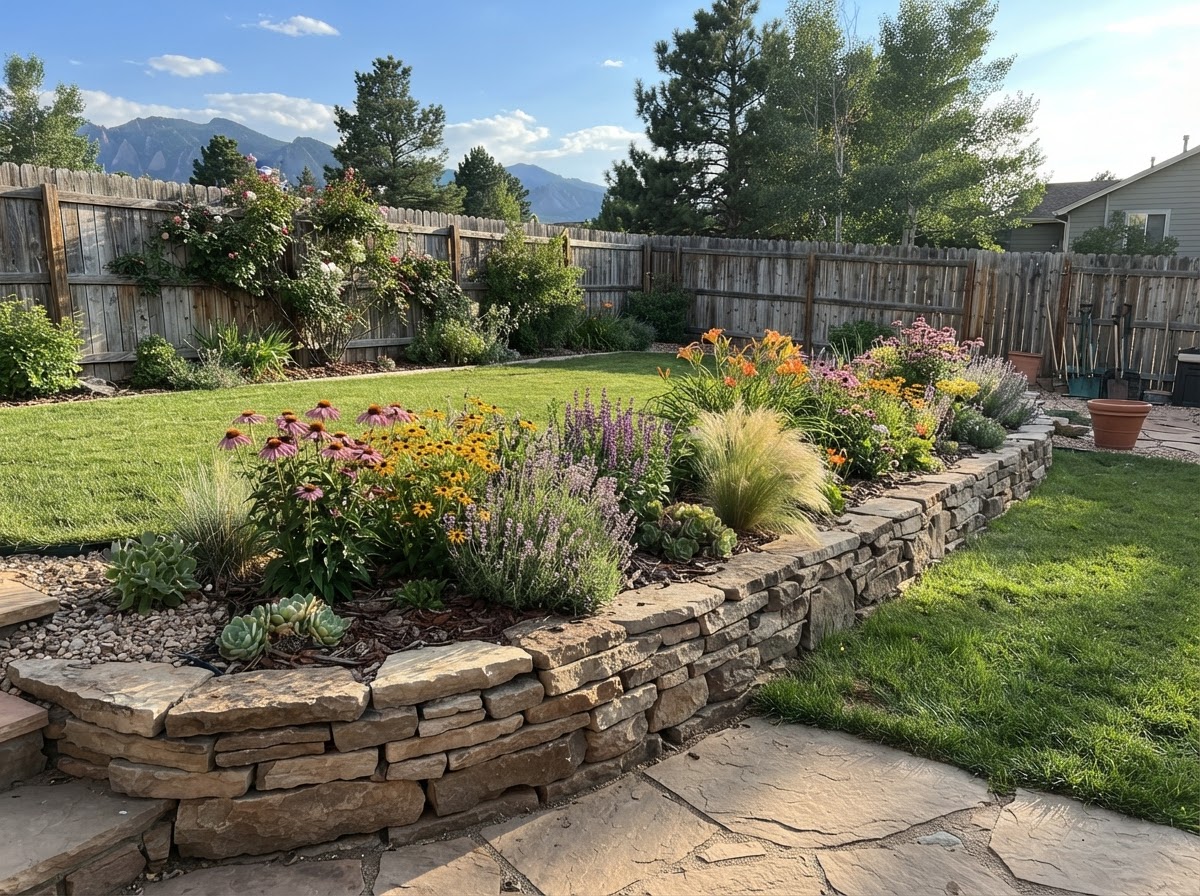
A selection of retaining wall and landscape work across Colorado residential properties.
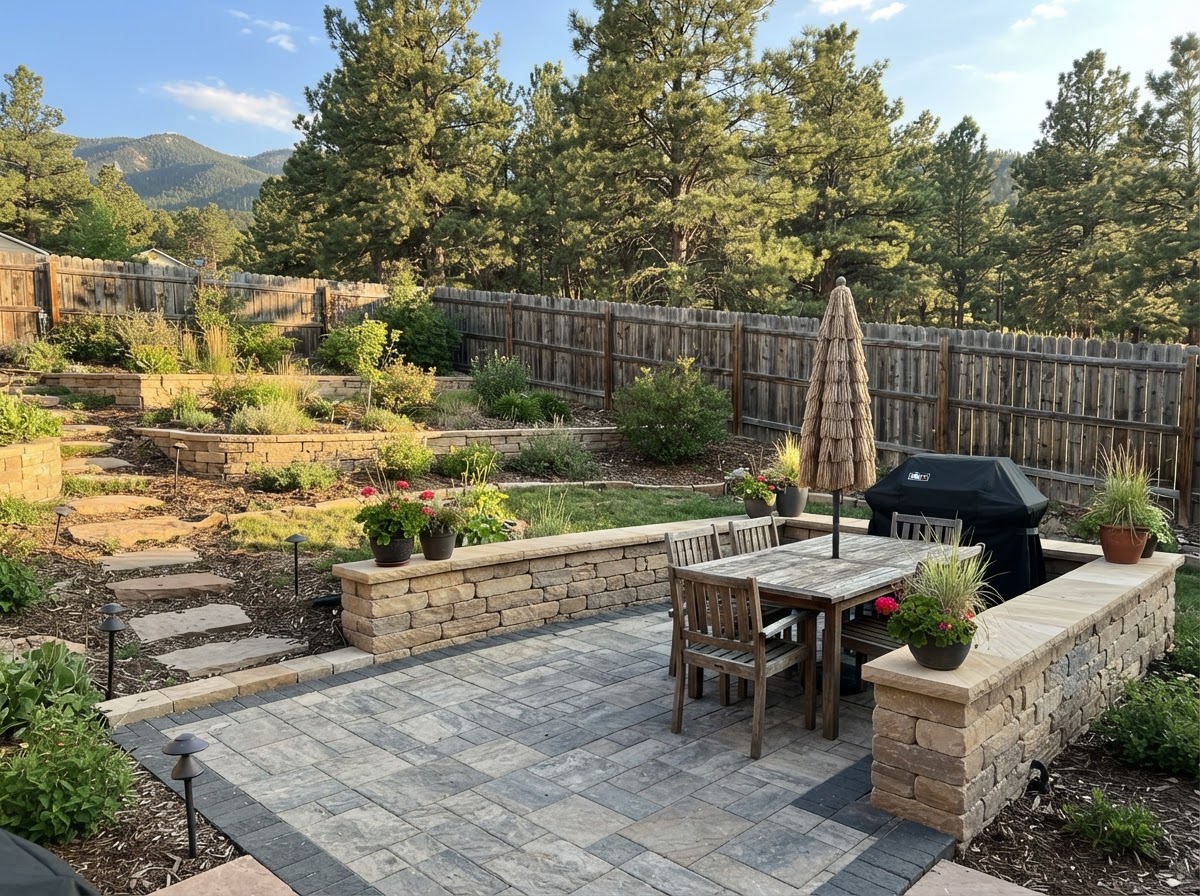
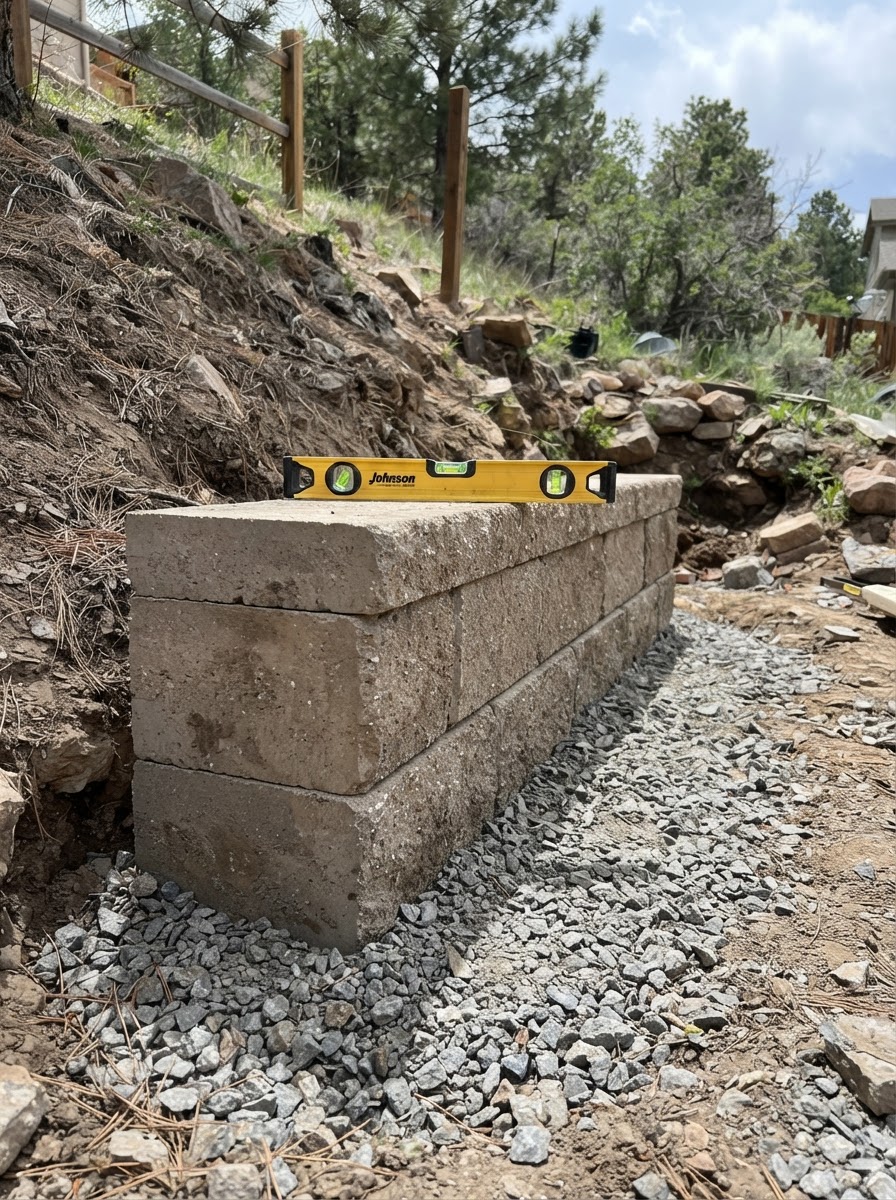
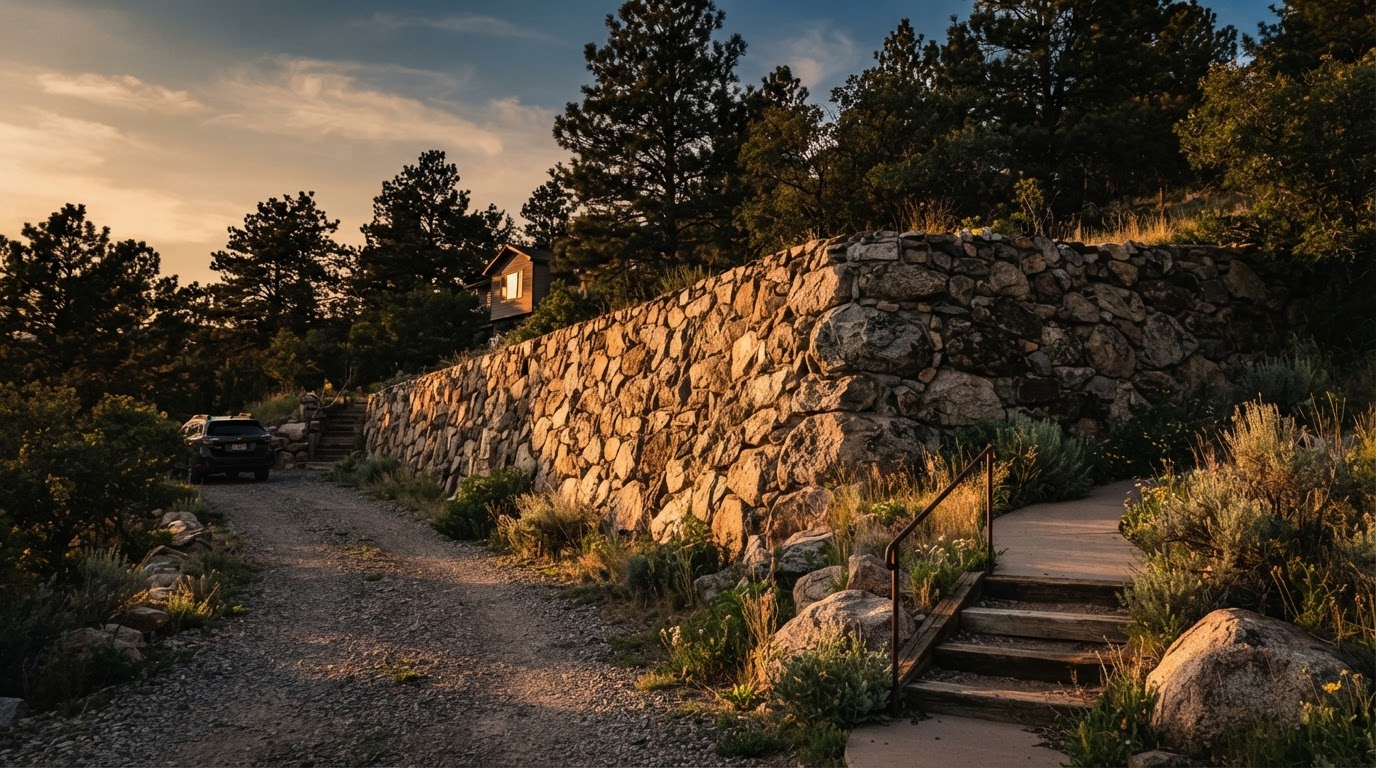
Retaining wall services for residential properties across Colorado Springs and the surrounding foothill communities.
Retaining wall installation, repair, and replacement for sloped residential lots across Colorado Springs, from the foothills to the eastern mesas.
Explore Colorado SpringsRetaining walls suited to Manitou Springs' steep foothill terrain, red rock slopes, and narrow hillside residential lots.
Explore Manitou Springs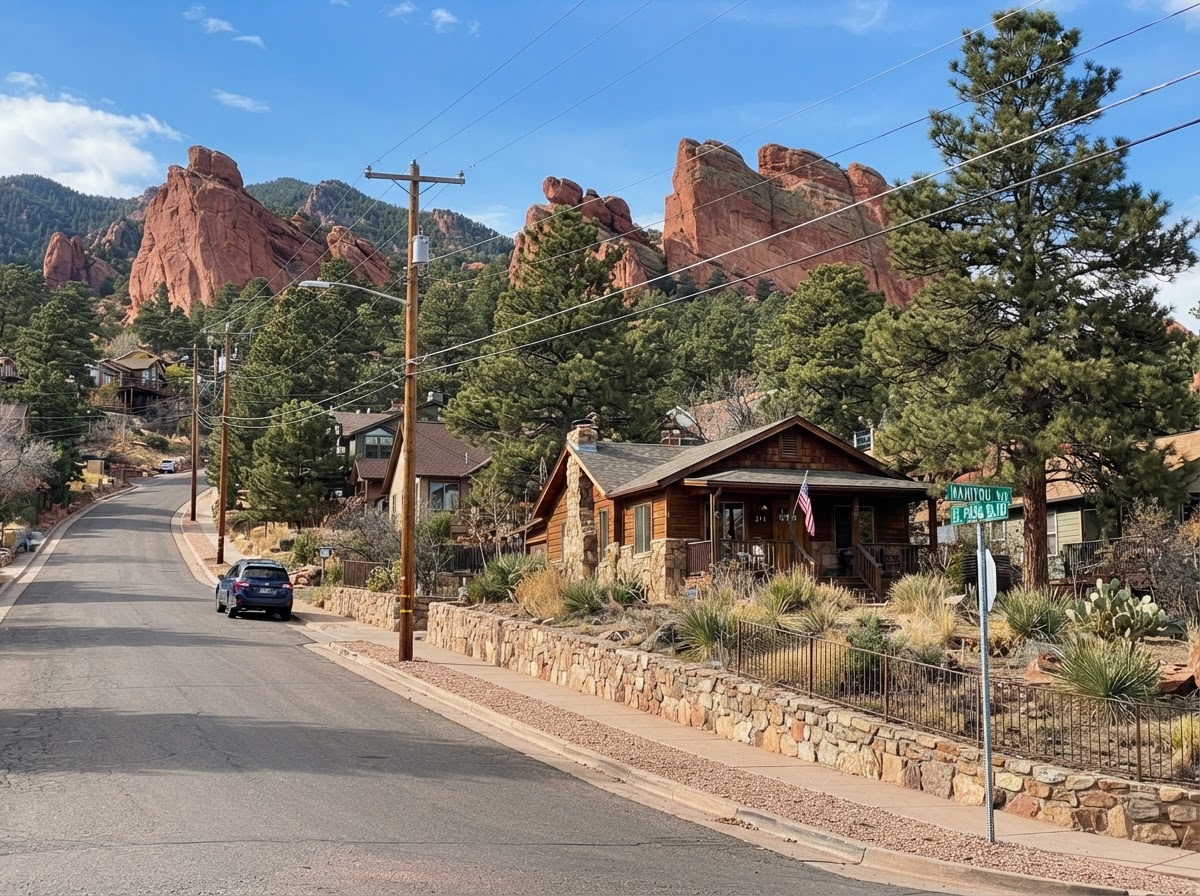
Retaining walls for Monument's rolling terrain, scrub oak slopes, and residential lots where prairie meets the foothills.
Explore Monument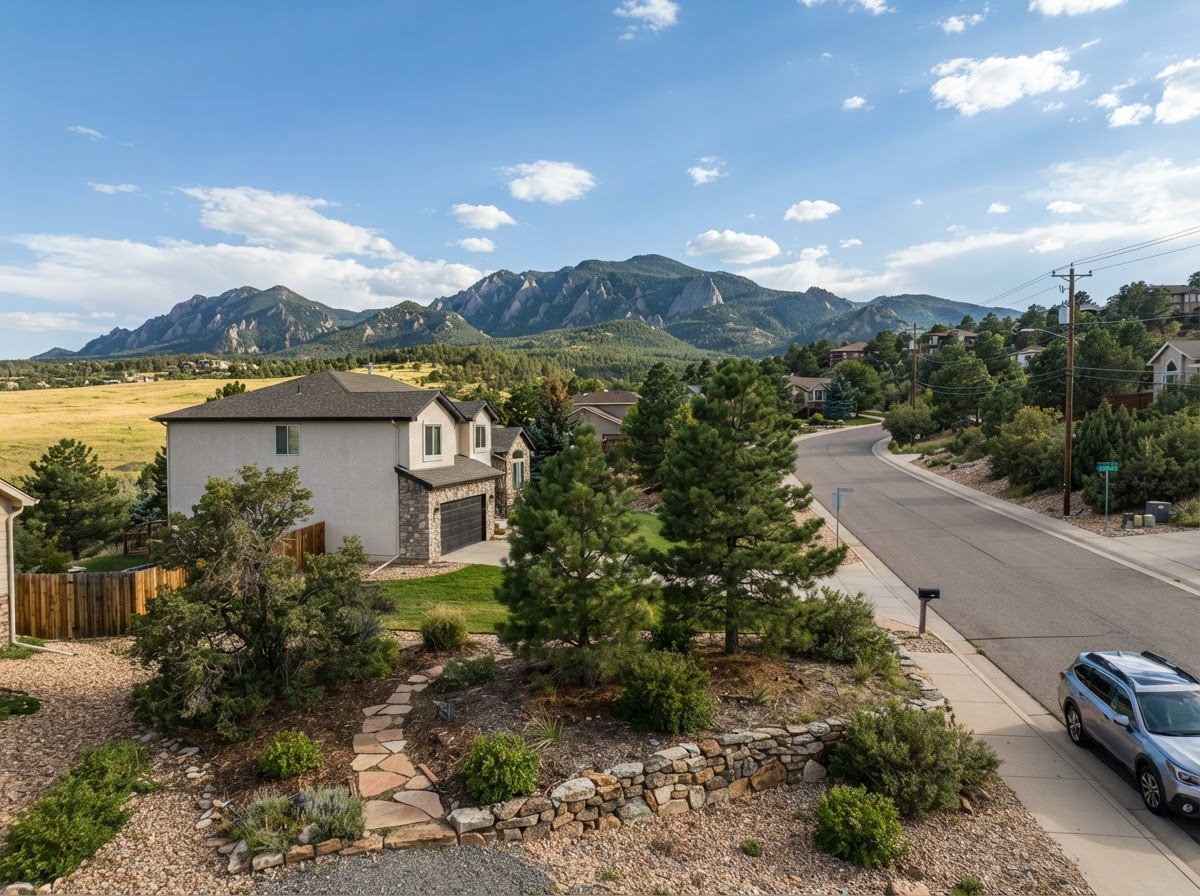
Retaining wall solutions for Fountain's residential hillsides, drainage channels, and semi-arid landscaping near Colorado Springs.
Explore FountainRetaining walls built for Woodland Park's high-altitude mountain slopes, pine forests, and steep residential grades.
Explore Woodland ParkRetaining walls for Security-Widefield's gentle hillsides, prairie grass lots, and residential properties south of Colorado Springs.
Explore Security-WidefieldCommon questions about retaining walls, materials, drainage, and planning a project in Colorado Springs.
A retaining wall holds back soil to manage changes in ground elevation. On residential properties it creates level, usable yard space from sloped ground, supports landscaping and patios, and helps control soil movement and water runoff.
There is no single best material. Concrete block is versatile and modular, natural stone offers an organic, one-of-a-kind look, timber works well for lower walls and garden edges, and boulders suit a rustic, natural hillside. The right choice depends on wall height, soil, slope, drainage, and the look you want. We can help you weigh the options for your property.
Look for leaning or bowing, vertical or stair-step cracks, separating joints, bulging near the base, or water pooling behind the wall. Minor cracking or a small section of movement can often be repaired. Significant leaning, structural failure, or widespread damage usually points toward replacement.
Most failures come from water pressure behind the wall—often because drainage is missing or clogged. Other causes include an undersized or poorly compacted base, inadequate reinforcement for the wall height, freeze-thaw movement, and soil that was not properly compacted during construction.
Drainage relieves the water pressure that builds up in the soil behind a wall. Without it, trapped water pushes outward and is one of the most common reasons walls lean, crack, or fail. Gravel backfill, drainage pipe, and weep holes all help move water away from the wall.
Yes. Steep or sloped lots are exactly where retaining walls are most useful. Taller or tiered walls can break a slope into usable terraces. Steeper sites and taller walls call for more careful planning, foundation work, and drainage, so the approach should fit your specific conditions.
Natural stone uses irregular, one-of-a-kind pieces for an organic, hand-built look and heavier labor. Concrete block uses uniform, modular units that go up faster, stack to consistent heights, and are easy to engineer for taller walls. Both can look great—the choice comes down to aesthetics, budget, and the wall's requirements.
Consider the height and length of the wall, the slope and soil on your lot, drainage and runoff, which material fits the look you want, proximity to property lines, and any permitting or engineering requirements. A site assessment is the best place to start.
Permit requirements vary with wall height, location on the property, proximity to property lines, and whether engineering is involved. Taller walls commonly require permits and engineered plans. We recommend confirming the requirements that apply to your project with the City of Colorado Springs or El Paso County building department before construction begins.
Use the Request an Estimate form on our Contact page. Tell us about your property, the location, and the retaining wall work you have in mind, and we'll follow up to discuss the right approach for your landscape.
Tell us about your property and retaining wall project. Request an estimate to discuss the right approach for your Colorado Springs landscape.
Located at 4935 Centennial Blvd, Colorado Springs, CO 80919.
4935 Centennial Blvd, Colorado Springs, CO 80919